


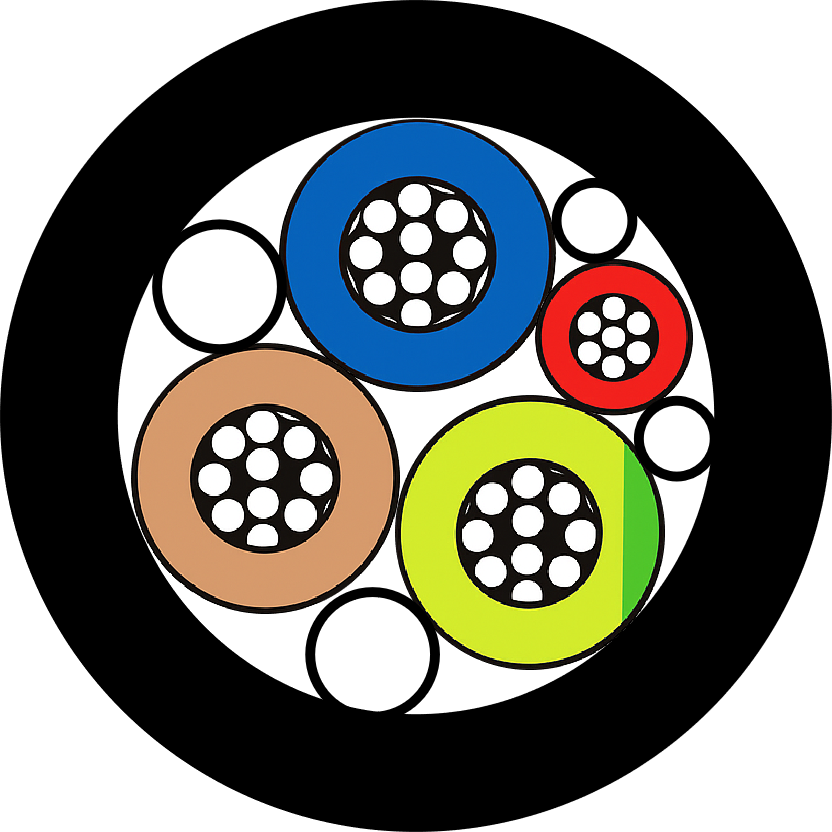





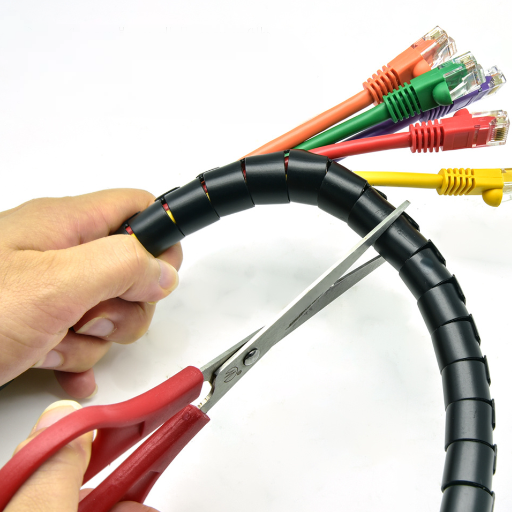
Are there cables all over the place in your office or house? Cable management can be a really time-consuming task, but not anymore! Spiral cable wraps are the perfect solution for keeping your wires organized, safe from dangers, and free from knots. This guide will navigate you through the entire cable management process with simple and practical tips. Whether you aim to clean up your desk, protect cables from damage, or make your space look more elegant, this article provides everything you need to know.
Introduction to Spiral Cable Wrap
What Exactly is Spiral Cable Wrap?
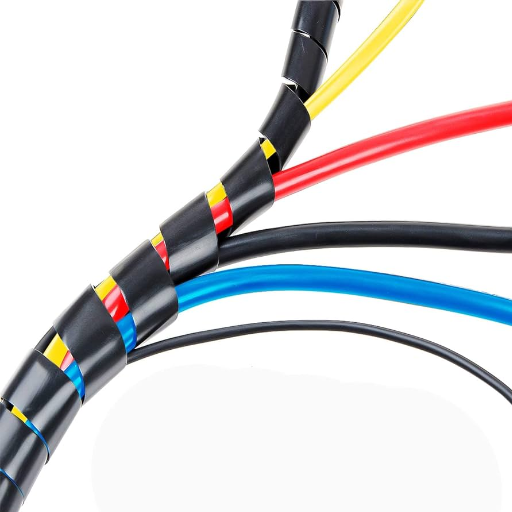
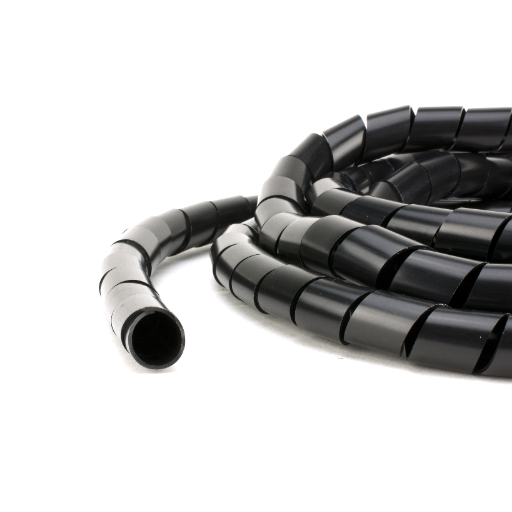
Spiral cable wrap is a simple yet effective tool that helps organize and manage cables. It is usually made from highly durable materials like polyethylene or nylon, which are light but strong enough to protect electric cables from friction and cutting. The wrap takes a spiral pattern which enables it to tightly hold together many wires while retaining flexibility for quick re-routing of cables.
🔑 Key Features of Spiral Cable Wrap
- Durable Materials: Made from polyethylene or nylon for long-lasting protection
- Flexible Design: Spiral pattern allows easy cable re-routing
- Universal Fit: Customizable length suitable for various applications
- Protective Shield: Guards against dirt, moisture, and physical abrasion
One of the main functions of spiral cable wrap is removing clutter in office or home areas by tying loose wires into one manageable bundle. This eliminates dangers associated with mixed-up wires, such as tripping hazards and equipment damage. Additionally, spiral cable wrap protects wires from adverse conditions that would otherwise contribute to cable degradation and loss of functionality.
Uses of Spiral Wrap in Cable Management
The use of spiral wraps in different settings where cables are required is one of the best ways to organize and protect them. By putting together several wires into a single manageable bundle, you can easily prevent the untidy and unprofessional appearance common in workplaces, houses, and industrial environments.
✅ Easy Installation
Can be quickly put on and taken off without needing special tools, making reconfiguration easy when cables need replacement.
⚡ Flexible Access
Individual wires can exit the bundle at any point, making it convenient for complex arrangements like server rooms.
🛡️ Enhanced Safety
Eliminates dangers of exposed or tangled wires, reducing trip hazards and preventing equipment malfunctions.
Significance of Spiral Cable Wrap Usage
Spiral cable wraps serve as essential organizational tools offering countless practical and protective benefits. The maintenance process becomes easier and electrical components’ lifespan is assured by preventing dirt accumulation and tangling. Beyond these benefits, proper organization helps declutter spaces, creating safer and more harmonious working environments.
💡 Key Benefits at a Glance
Cables are covered by a wrap that prevents moisture and accidental shocks, increasing their lifetime. For cables exposed to tough conditions or frequent use, this extra shield helps avoid expensive repair or replacement costs. Moreover, spiral wraps make cable identification easier and improve accessibility—allowing easy access to specific wires without disturbing the whole bundle.
Tools and Materials Required for Installation
Essential Tools for Installing Spiral Wrap
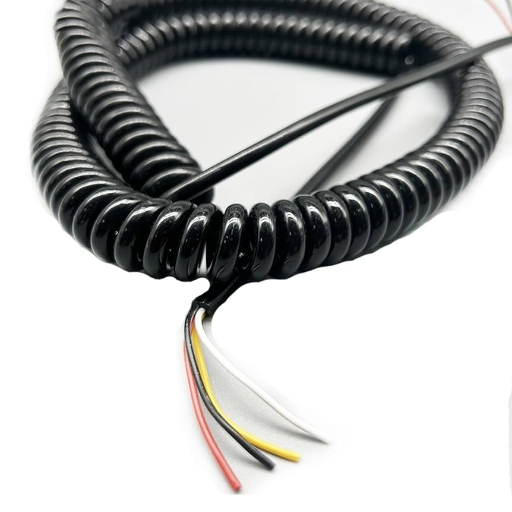
When it comes to installing spiral wrap, only a small number of simple tools are required, making the whole process easier and accessible. Below is a list of the essential tools you will need:
🛠️ Essential Tools Checklist
1
Scissors or Cable Cutters
Enables you to cut the spiral wrap into pieces of the desired length. Ensure the tool is sharp for clean cuts that maintain a neat cable arrangement.
2
Measuring Tape
Essential for determining the length of spiral wrap needed for your cable bundle. Accurate measurements help minimize material waste and ensure a better fit.
3
Cable Ties (Optional)
Can be used for temporarily holding wire bundles during installation. This prevents cables from getting mixed up while applying the spiral wrap.
Materials Needed for Cable Wrapping
To wrap cables efficiently, you need a small set of essential materials that make the process easier and yield professional-looking results.
How to Pick the Perfect Spiral Wrap for Your Cables
📋 Factors to Consider When Choosing Spiral Wrap
1. Cable Thickness and Size
Spirals come in different diameters, so choose one that fits perfectly around your cables. If it’s too tight or too loose, cable function may be diminished or damaged over time. Start by measuring the grouping of cables you wish to arrange.
2. Material Properties
Most wraps consist of tough plastic, but they differ in flexibility, heat resistance, and durability. For cables near machines or heat-generating devices, choose wraps with the highest heat resistance. For normal conditions, flexible material with high tensile strength is sufficient.
3. Installation Ease and Reusability
Certain spiral wraps can be cut to any required length and applied quickly. If you frequently change your arrangement, pick a wrap suitable for fast modifications or recycling.
Step-by-Step Guide to Installing Spiral Cable Wrap
Preparing Your Cables for Wrapping
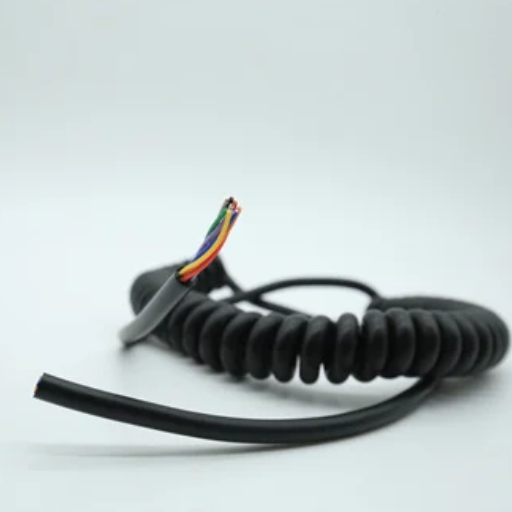
Before wrapping a spiral cable wrap, it is necessary that the cables are neatly organized and prepared to guarantee the best results.
📝 Preparation Checklist
- Disentangle all cables to get them into a manageable state
- Sort and place cables in neat rows with respect to their functions or destinations
- Check for defects like frays or splits—repair or replace before wrapping
- Clean the cables with a dry or slightly wet cloth to remove dust or dirt particles
- Measure the combined length of the cable bundle
- Secure the ends with a zip tie or small piece of tape for easier installation
How to Measure and Cut Spiral Wrap
Position the wires or cables that are to be bundled in the manner required for the job. They should be lying down straight and close to the assumed orientation. Gather them first, then measure the full length to determine the required spiral wrap length. Accuracy is important—one mistake could signify wasted material, so it is recommended to cut the spiral wrap slightly larger than needed.
💡 Pro Tip: After measuring the required distance, make a clean cut using sharp scissors or a utility knife. The cut should be as straight as possible to prevent the material from unraveling. Cut a little larger for extra rewrapping capability—excess wrap can be trimmed off after application.
Techniques for Installing Spiral Cable Wrap
Prepare the Cables
Bundle and align the cables you want to spiral wrap. Ensure cables are neat and the surface material is debris-free for easy unwinding. Position the cable bundle with temporary zip ties or tape so they don’t shift while you work.
Start Wrapping
Begin at one end of the cable bundle and let the wrap spiral swiftly and efficiently with no overlap or gaps as it wraps over the cables. Work along its length, applying continuous tension to create consistent spacing. Readjust cables as necessary to ensure each one remains securely encapsulated inside the spiral wrap.
Trim and Secure
Binding slightly more wraps around the final few turns helps reduce potential unraveling. Trim any excess wrap from the ends using scissors or cutting tools. Use the provided straps, duct tape, or small ties at each side to maintain a neat and well-fastened appearance.
Benefits of Using Spiral Cable Wrap
Preventing Cable Damage
Spiral cable wraps are excellent for protecting and organizing cables effectively. By bundling them safely, these wraps reduce wear from constant handling, abrasion, and weather exposure like moisture and dust. They ensure protection of power and signaling cables against external factors for a longer lifespan, limiting the need for frequent repairs.
Prevents Tangling
Cables placed neatly within the wrap won’t bunch together, minimizing wear-causing effects on internal structure over time.
Reduces Trip Hazards
The coils afford neatness to cables and offer moderate safeguard preventing damage from spills and trip-overs.
Versatile Protection
Important component for cable protection in both residential and professional spaces.
Improving Aesthetics and Reducing Clutter
Cable management solutions contribute significantly to enhancing the aesthetics of a space and reducing clutter. A well-organized set of cables is deemed important in areas like offices, studios, and server rooms. Besides performing functionally, perfectly ordered cables lend much to an attractive environment, making it easier to focus on work.
🎨 Organization Strategies
- Use cable ties, sleeves, and organizers to group cables together or conceal them
- Install wall mounts and cable channels to route cables along walls or under desks
- Keep cables securely hidden yet easy to access when needed
- With reduced clutter, the space is easier to clean and maintain
Enhanced Organization of Cables
Effective cable organization begins with identification and categorization. Categorize cables based on their functional utility—power cables, data cables, audio cables, video cables, etc. Use labels or color-coded spots for easy identification when adjustments or replacements are needed. Arrange extra cable length by tying, bundling, or splinting to reduce clutter.
✨ Best Practices for Cable Organization
Physical Assembly
Use cable ties, sleeves, or clips to keep cables together and prevent entanglement. Consider hooks or tracks to channel cables away from the floor.
Regular Maintenance
Check regularly for wear on cables that could cause accidents. Reorganize cables when they become disorganized over time.
Common Mistakes to Avoid During Installation
Over-wrapping or Under-wrapping Cables
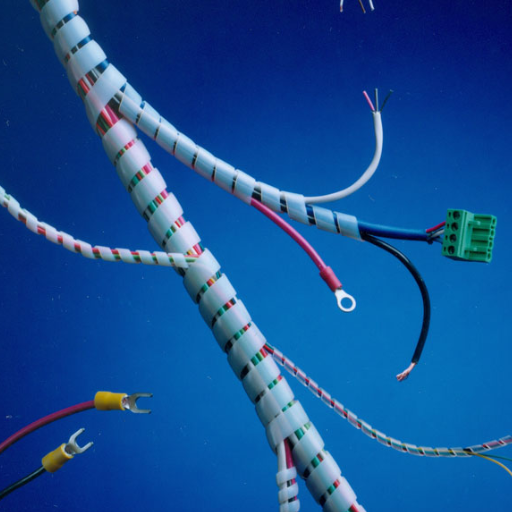
Incorrectly wrapping cables can result in severe long-term performance issues and equipment damage. Over-wrapping with very high tension can worsen cable durability, causing damage to internal wiring and leading to less flexibility, breakage, or signal quality degradation over time. Under-wrapping refers to cables wound too loosely, making them susceptible to tangling, dragging, or environmental damage.
Neglecting Cable Types and Sizes
Neglecting cable type and size can result in severe performance and safety hazards. Each cable is designed according to specific electrical and physical properties to suit distinctive applications. The wrong type or cable can cause enormous heat generation, voltage drops, and system failure. Proper selection ensures the cable effectively manages the needed current load and withstands environmental conditions.
⚠️ Important Considerations
- For outdoor or industrial scenarios, cables must possess proper insulation and be resistant to moisture, chemicals, and physical abrasion
- A cable that is too small may overheat, causing fire risks
- An oversized cable wastes money without adding safety benefits
- Consider current, voltage, and length of run in combination for correct sizing
Ignoring Safety Precautions
Ignoring safety precautions in electrical installations can result in great risk, including fires, equipment damage, and bodily injuries. Proper attention to safety measures ensures efficiency, reliability, and safety when electrical systems operate. Neglecting these precautions can mean costly future repairs or replacements.
🛡️ Safety Reminder: Always install protective devices such as circuit breakers or fuses. These devices disconnect current if an overload or short circuit is detected, protecting both the system and users. Following established safety regulations and proper maintenance ensures system longevity and electrical equipment reliability.
Frequently Asked Questions (FAQ)
Q: How do you install spiral cable wrap to encase a simple cable grouping?
A: After getting all the cables in a proper bundle, select a spiral wrap tubing with a diameter size slightly smaller than the bundle size for a snug fit. Start from the end and use the spiral to wrap around the harness. Polyethylene spiral wraps or PE tubing are quite flexible and provide the best protection against abrasion. Use cable ties or clips at the ends to prevent knots or tangles.
Q: Can spiral bands be used in automotive or electrical setups?
A: Yes, spiral wrap bands are ideal for safeguarding cables in automotive and electrical environments, organizing and protecting electrical wires and hoses from abrasion and chafing. For protecting automotive wires from heat, choose heavy-duty, heat-resistant tubing. For outdoor use or applications exposed to UV rays or extreme temperature variations, opt for UV-resistant polyethylene.
Q: What size spiral wrap tubing should I choose to wrap multiple cables?
A: Choose a spiral wrap tube with an outside diameter that accommodates the sum of the AWG and thickness of your wire bundle. The wrap should be slightly smaller than your bundle for a tight wrap while still allowing flexibility and easy installation of additional cables afterward. Many manufacturers offer various AWG and mm capacities to help you make the right size decisions.
Q: What are the procedures for installing spiral wraps that support quick future add-ons or repairs?
A: First gather the wires, then measure and cut the spiral wrap to the needed length. Starting at one end, wrap around the bundle, overlapping as needed. Leave one end available, or terminate the wrap using removable clips or cable ties that allow you to add additional cables later without moving the entire harness. The spiral design lets you slightly uncoil a section to reach wires needed for quick repairs or upgrades.
Q: How do I deploy spiral cable wraps over oddly shaped tubing or runs with connectors?
A: Variable shapes call for adjustable spiral wrap or wider tubing to accept outer diameter shifts of hoses or fittings. Install the wrap over fittings by starting behind the connector and wrapping towards the connector end. Use split loom or braided sleeve when maintaining space between connectors is needed. Secure transitions with cable ties and ensure the wrap can flex where the harness is frequently moved to minimize abrasion and extend cable life.
📚 References
-
NRAO Science Site: Antenna Wraps
- This source discusses cable management techniques, including wrapping cables for power, communication, and data transfer around the azimuth axis of antennas.
- Visit NRAO Science Site
-
MIT Project Documentation: Spiral Wrap Installation
- A detailed PDF guide from MIT’s Astro-E2 project, which includes instructions on using spiral wraps for cable management, ensuring a snug fit and strain relief.
- Download the PDF
-
OHSU Yarding and Loading Handbook
- This handbook provides safety and installation guidelines for cable wrapping in industrial settings, emphasizing proper techniques to avoid tension-related issues.
- Read the Handbook
- Get Your Solar Cable Needs Covered with JOCA – Your Trusted Supplier