







Depending on where you are, fencing could mean as many things as you can imagine. Fences in the south can keep the neighbor’s dog from running loose, and fences installed in the rural areas can keep one’s cattle in check. In other parts of the world, you might decide to put together fencing that is more elegant and less purposeful. The materials that go into constructing fences and the design might differ based on the purpose for which it is intended. Basically, a fence can serve any purpose you like, from keeping plants secure to holding cows inside, if that is what you desire. A simple understanding of fences comes in when you say what it looks how you structure it or what it is to be used for.
Understanding Spiral Cable Wrap
What is Spiral Cable Wrap?
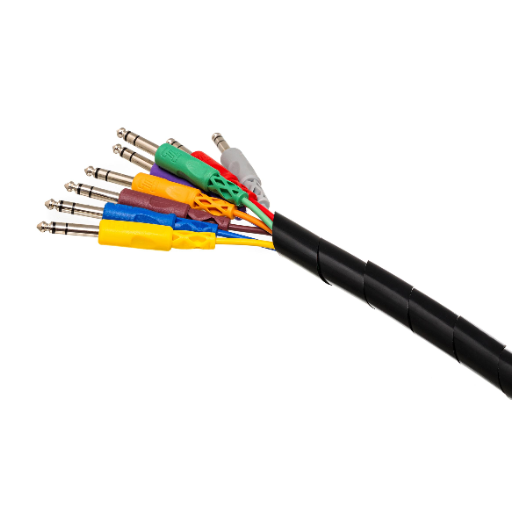
A spiral cable wrap is a protective material designed to organize and bundle wires, cables, and hoses together. This versatile solution features a coiled design that wraps around cable bundles, allowing individual wires to be positioned securely while maintaining flexibility for movement within the bundle.
The primary purpose of spiral cable wrap is to protect electronic components housed within cables from damage while enhancing overall safety by reducing tripping hazards and preventing damage from cluttered wires.
✨ Key Advantages of Flexibility
One of the most sought-after advantages of spiral cable wrap is its exceptional flexibility. By accommodating various cable sizes and configurations, this wrap becomes suitable for a wide range of applications including network installations, in-house cabling systems, smaller office setups, and virtually any environment where wires must be managed. Additionally, the wrap facilitates easy installation and reuse, allowing sections to be added or removed as needed.
Spiral cable wraps significantly increase cable lifespan by shielding enclosed cables from stress caused by environmental contact or mechanical loads. They also add an attractive appearance to cable layouts, providing a neat and professional look. These qualities make spiral cable wraps a valuable tool for cable management in homes, industrial sites, and offices alike.
Benefits of Using Spiral Cable Protection
Extended Cable Lifespan
These protective coils significantly reduce cable wear and tear caused by friction, abrasion, and environmental factors. This minimizes the frequency of cable replacement and its associated costs.
Improved Safety
Spiral cable protectors bundle cables together, avoiding clutter for better visibility while reducing tripping hazards. This is completely beneficial in professional environments such as offices, warehouses, factories, and shipping yards.
Professional Appearance
Spiral wrapping makes cables look more presentable by creating a neat and orderly appearance, suitable for both relaxation spaces and professional environments of high importance.
Easy Installation
Installation and adjustment are both very simple due to the flexible and versatile characteristics of spiral wrapping, providing a functional and adaptable solution for cable management across various utilities.
Key Features of Spiral Cable Protector
Materials Used in Spiral Cable Protection

Polyethylene vs. Nylon Spiral Wrap
Lightweight & Cost-Effective
- Lightweight and highly flexible
- Budget-friendly option
- Good chemical resistance
- Suitable for normal purposes
Durable & Heavy-Duty
- Outstanding strength and durability
- High resistance to abrasion
- Withstands heat and mechanical stress
- Maintains integrity in harsh conditions
Choosing the Right Material for Your Needs
Choosing the appropriate material depends on understanding the specific requirements of your application and the properties of available materials. Consider these factors when making your decision:
Environmental Conditions
Temperature extremes, humidity levels, UV exposure
Operational Stresses
Mechanical stress, chemical exposure, physical loads
Budget Constraints
Cost-effectiveness vs. long-term durability needs
Application Type
Short-lived vs. permanent installations
Installation Tips for Spiral Cable Wrap
Step-by-Step Installation Guide
Prepare Spiral Cable Wrap
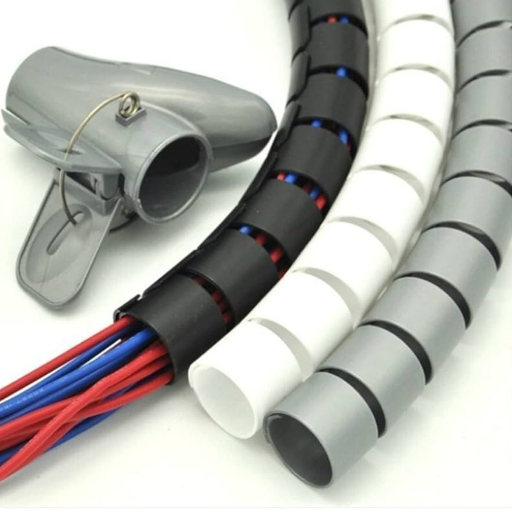
Begin by measuring the cables or wires that need protection. Cut the spiral cable covering to the required length using scissors or a cutter, ensuring it will cover the entire bundle.
Arrange the Wires
Gather the cables or wires together tightly and ensure their spacing is even so that the spiral can cover them easily without tangling or resulting in loose wrapping.
Start Wrapping
Starting at one end of the bundle, apply the spiral wrap, going around the cables with an extra grip. Take care not to cut too tightly into the wires to avoid damage.
Continue Wrapping
Move along the bundle as if sliding the spiral wrap down, wrapping it uniformly all the way. For cables splitting into multiple directions, gently overlap the wrap and add more pieces at each junction.
Secure the Ends
Ensure the spiral wrap sits securely with secured ends before completing the installation. Add cable ties if needed to ensure they won’t come apart, lending a tidy and professionally finished appearance.
Inspect the Installation
At this final stage, inspect to ensure all cables are genuinely and adequately shielded and perfectly wrapped without gaps or bends.
💡 Tips for Proper Fitting and Security
- Measure Accurately: Before purchasing, measure the cable length to determine how much spiral wrap is required. Ensure the wrap is long enough to cover the bundle completely with no gaps.
- Secure Placement: Begin your spiral wrap from one end, making sure the spiral is tight but not so much as to damage the cables inside. Use additional fasteners such as cable ties at both ends for long-term stability.
- Regular Maintenance: Periodically inspect the spiral wrap for any wear or loose fittings. Remove and replace any damaged parts while sustaining the protective barrier.
Common Installation Scenarios
Comparative Analysis of Cable Management Solutions

Cable Wrap vs. Cable Sleeving
Spiral Cable Wrap
- Reusable and adjustable
- Cables can enter/exit at any point
- Ideal for dynamic environments
- Easy to modify as needs change
Cable Sleeving
- More resistant to abrasion and dust
- Durable material layers
- Polished, appealing finish
- Better for permanent, aesthetic setups
Verdict: Choose spiral wraps for cable management that requires frequent changes and easy access. Opt for cable sleeves when you need a neat, secure, and professional permanent setup.
Spiral Cable Protector vs. Conduits
Spiral Cable Protectors
- Flexible and lightweight
- Easily accessible for repairs
- Fair protection against abrasion
- Ideal for moving processes
Conduits
- Solid and rigid protection
- Better against physical damage & moisture
- Ideal for industrial/outdoor environments
- Better for long-term, permanent projects
Verdict: Spiral protectors suit adjustable, easily managed solutions where minimal damage exposure is acceptable. Conduits excel in severe applications requiring maximum protection and durability.
Cable Ties vs. Spiral Wrap
Troubleshooting Common Issues
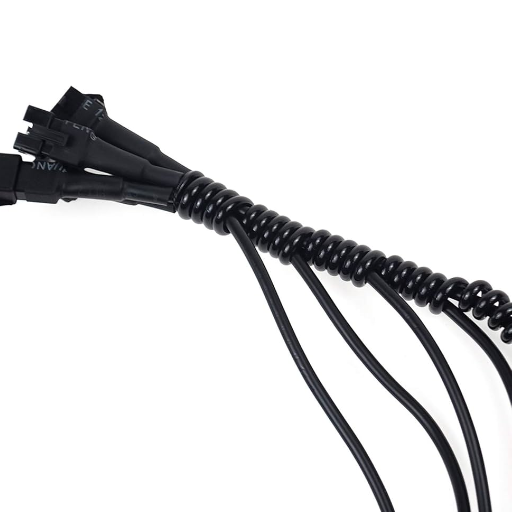
Maintaining Your Spiral Cable Wrap
Regular Inspection
Visually inspect spiral wraps regularly for visible damage including cracks, tears, and breaks. Take action immediately when damage is detected to prevent related problems.
Proper Cleaning
Clean spiral wraps at intervals using mild soap and a soft cloth to eliminate dust and debris that accumulates and may affect performance.
Appropriate Storage
Store wraps in cool, dry places away from sunlight and extreme temperatures that may weaken the material. Avoid excessive bending or stretching.
✅ Maintenance Checklist
Frequently Asked Questions (FAQ)
References & Further Reading
-
-
Use of Spiral Protectors for Preventing Fatigue Damage of Transmission Line Cables
This study examines the effectiveness of spiral protectors in preventing fatigue damage in transmission line cables, providing insights into their mechanical behavior and application.
Read the article on Springer -
Full-Locked Coil Ropes with HDPE Sheath: Studies of Mechanical Behavior of HDPE Under Accelerated Aging
This research explores the use of HDPE sheaths in spiral cables, focusing on their mechanical behavior and corrosion protection under accelerated aging conditions.
Read the article on MDPI -
Spiral Strand Cables Subjected to High Velocity Fragment Impact
This article investigates the impact resistance of spiral strand cables, analyzing their performance under high-velocity fragment impacts and the resultant damage.
Read the article on ScienceDirect - Get Your Solar Cable Needs Covered with JOCA – Your Trusted Supplier
-